
AI Software
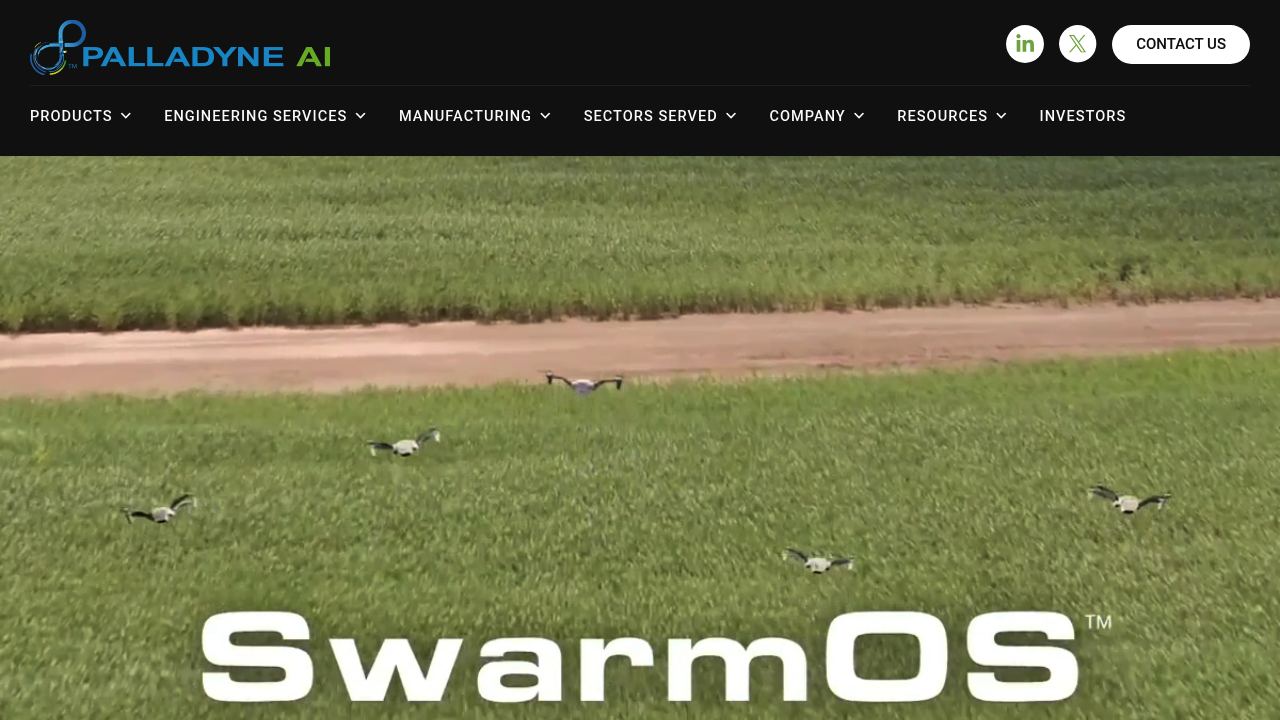
Palladyne AI, formerly known as Sarcos Robotics, develops embodied artificial intelligence software and hardware solutions designed to enable robots, drones, and autonomous systems to observe, learn, reason, and act independently at the edge. While the company's primary focus spans defense and manufacturing sectors, its technology portfolio extends into construction-adjacent applications including autonomous robotics for complex, dynamic environments. The platform targets organizations seeking to deploy intelligent robotic systems that can adapt to challenging real-world conditions without constant human oversight or cloud connectivity. At the core of Palladyne AI's offerings are several key products: Palladyne™ IQ, Palladyne™ Pilot, and SwarmOS™. These software solutions provide real-time learning and reasoning capabilities that empower robots and unmanned aerial vehicles (UAVs) to operate independently using local edge computing. This approach eliminates the need for persistent cloud connectivity, reducing latency and operational costs while ensuring resilience in communication-constrained environments. The company also offers engineering services and manufacturing capabilities to deliver complete autonomous systems, including intelligent UCAVs, precision-engineered loitering munitions, and advanced robotic components. For construction and industrial applications, Palladyne AI's software solutions promise to unlock significant efficiency, productivity, and safety enhancements. The platform seamlessly integrates with most commercial robots and unmanned aerial systems (UAS), making it applicable across industries including construction, manufacturing, warehousing, logistics, and aerospace and defense. Construction firms can leverage autonomous robotic systems for site inspection, monitoring, material handling, and operations in hazardous or hard-to-reach environments, potentially reducing risk to human workers while improving operational throughput. Palladyne AI's platform operates on an edge-computing model, meaning intelligence runs locally on the robotic systems rather than relying on cloud infrastructure. This deployment approach is particularly valuable for construction jobsites where network connectivity may be unreliable. The software's closed-loop AI framework enables rapid deployment and seamless adaptability across different robotic platforms, lowering the barrier to adoption for organizations looking to integrate autonomous systems into their workflows. The company is publicly traded on NASDAQ under the tickers STRC and STRCW, and is headquartered in Salt Lake City, Utah, with a team of approximately 51-200 employees. Palladyne AI has established partnerships with companies such as Draganfly for autonomous swarm capabilities and has been recognized through industry research by firms like ABI Research. With decades of legacy in robotics innovation, the company positions itself at the intersection of autonomy, AI, and American manufacturing.
FOURIER-Robotics
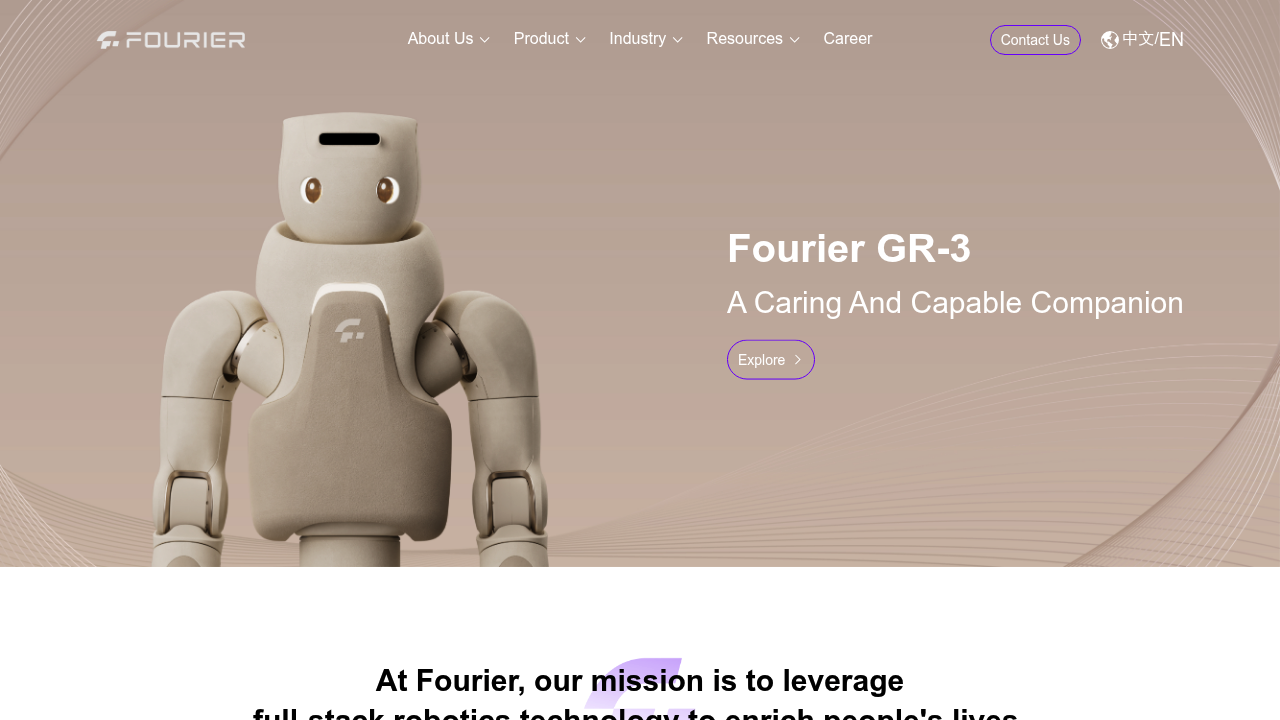
Fourier Robotics is a general-purpose robotics company that develops humanoid robots and rehabilitation technology solutions. While the company's primary focus spans healthcare rehabilitation and embodied AI research, its robotics platforms have potential applications across multiple industries, including construction and the built environment. Fourier positions itself as an industry-leading organization building accessible robotic assistants powered by full-stack robotics technology. The company's core product lines include the GRx Humanoid Series and the RehabHub™ platform. The GRx Humanoid Series, highlighted by the Fourier GR-3, is marketed as "the most accessible robot assistant," designed to serve as a caring and capable companion. The RehabHub™ platform is described as a reliable rehabilitation solution focused on physical health. These products demonstrate Fourier's commitment to developing versatile robotic systems that can interact with humans in real-world environments, leveraging advances in embodied AI. Fourier's robotics technology is trusted by world-leading research institutes, underscoring the company's credibility in the academic and applied research communities. The company actively encourages exploration of embodied AI potential through its platforms, suggesting an open ecosystem approach that could benefit industries requiring autonomous or semi-autonomous robotic assistance, including hazardous environment navigation, repetitive physical tasks, and site monitoring in construction contexts. The company operates primarily through its web presence at fftai.com and appears to engage directly with prospective customers and research partners through its expert consultation model. Fourier's focus on making humanoid robots accessible suggests a strategy aimed at broad adoption across sectors, with scalable deployment models that could evolve to serve construction and industrial applications as the technology matures. Fourier's market position as a general-purpose robotics company with strong ties to research institutions places it at the forefront of embodied AI development. The company's emphasis on full-stack technology — encompassing hardware, software, and AI — positions it as a vertically integrated robotics provider with the potential to expand into construction technology as humanoid robotics becomes more prevalent in field operations and jobsite automation.
| Attribute | Palladyne AI | FOURIER-Robotics |
|---|---|---|
| Category | Safety | Safety |
| Parent Company | Sarcos Robotics | — |
| Tagline | AI Software | FOURIER-Robotics |
| Sub-categories | Field Management | Field Management |







Our directory has 10+ tools in this category. Browse them all or submit your own.

